
I’ve finally pinned down the simple trick for a Perfect Boiled Egg that ends the mystery of stovetop hard boiling.
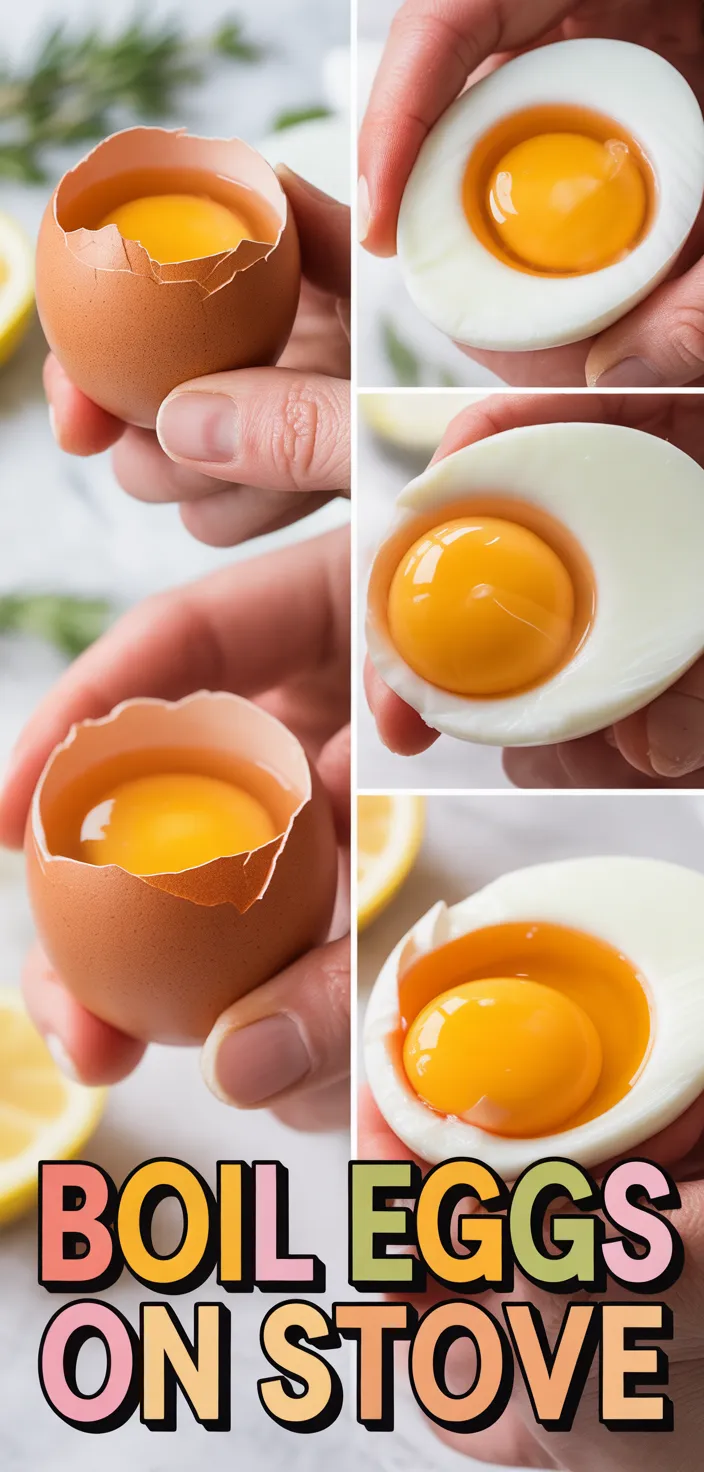
I used to ruin hard boiled eggs on the stove all the time, then one afternoon I finally figured out a few small moves that actually work. I’m not perfect, I still crack a shell wrong now and then, but lately I get the yolk I want more than not.
I’ll talk about things like Boiled Egg Times that made a huge difference for me, and why starting with large eggs cold from the fridge and cold water matters. Curious?
Stick with me and you might end up with a Perfect Boiled Egg more often than you think.
Ingredients
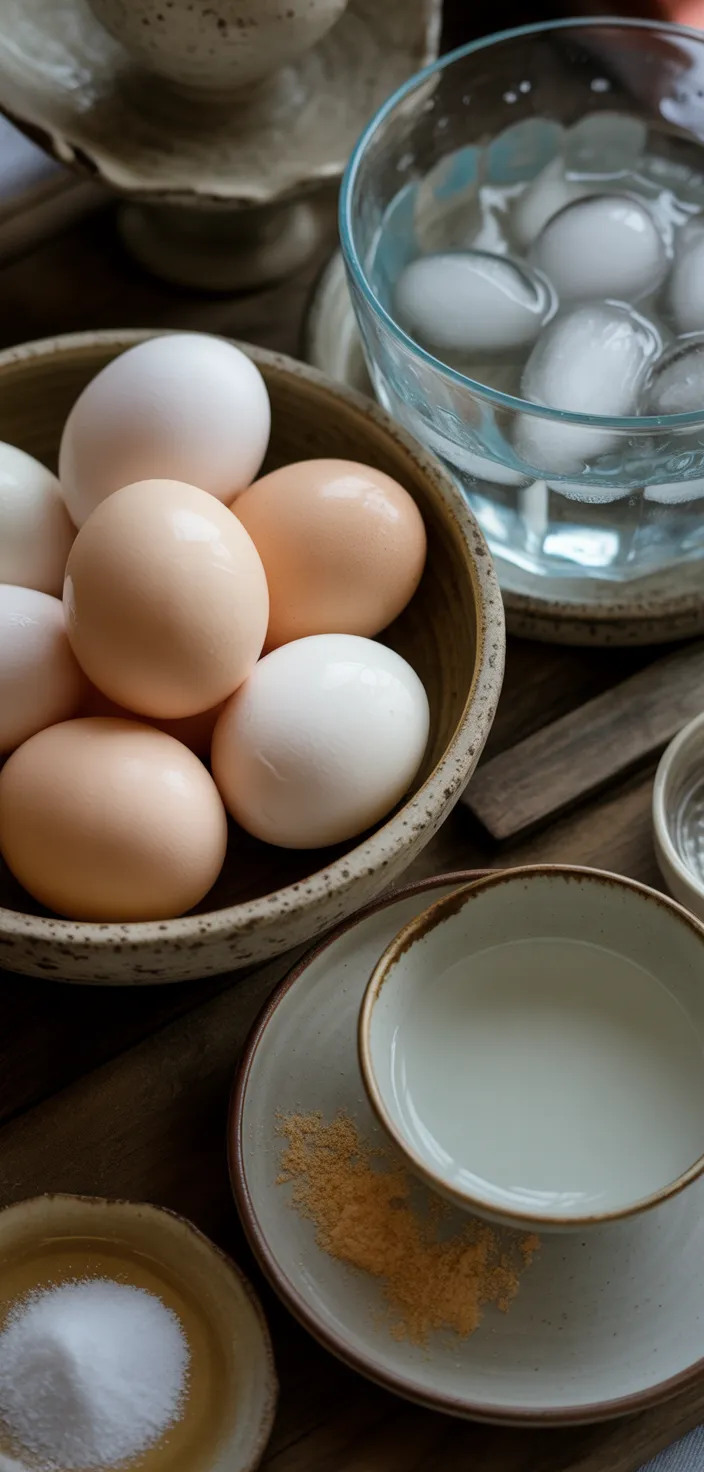
- Protein packed, low carb, good for breakfast, can be creamy or firm when cooked.
- Basic cooking medium, carries heat evenly, no calories, nothing fancy but vital.
- Adds flavor, helps whites set and peel easier, use sparingly if health conscious.
- Helps keep whites from running, its tangy and helps with fresh eggs.
- Raises pH so shells peel easier, a small pinch goes a long way.
- Stops cooking fast, keeps yolks tender, adds convenience when chilling quickly.
Ingredient Quantities
- 6 large eggs, cold from the fridge
- 4 cups (1 L) cold water
- 1 teaspoon fine salt optional
- 1 tablespoon white vinegar optional
- 1/2 teaspoon baking soda optional
- Ice cubes about 2 cups optional
How to Make this
1. Put 6 large cold eggs in a single layer in a medium saucepan and pour in 4 cups (1 L) cold water so the eggs are covered.
2. Stir in 1 teaspoon fine salt, 1 tablespoon white vinegar and 1/2 teaspoon baking soda if you want to; salt helps seal small cracks, vinegar helps whites set if an egg cracks, and baking soda raises pH to make peeling easier.
3. Put the pan over high heat and bring the water to a full rolling boil uncovered.
4. As soon as it boils, cover the pot with a lid and remove it from the heat. Set a timer for 9 minutes for a creamy but set yolk or 12 minutes for a fully firm yolk.
5. While the eggs sit, make an ice bath with about 2 cups of ice and cold water in a large bowl.
6. When the timer is up, use a slotted spoon to transfer the eggs straight into the ice bath to stop cooking. Let them chill at least 5 minutes, 10 to 12 minutes if you timed 12 minutes.
7. To peel, tap each egg on the counter, roll gently to crack the shell all over and start peeling at the wider end where the air pocket is, peel under running water or in a bowl of water to help remove little bits of shell. If one egg cracked during cooking the vinegar will have helped set the white so you wont have a big mess.
8. Serve or store: unpeeled eggs keep in the fridge up to one week, peeled eggs are best eaten within a few days.
Equipment Needed
1. Medium saucepan (big enough for 6 eggs in a single layer)
2. Lid for the saucepan
3. Slotted spoon (to lift eggs into the ice bath)
4. Large bowl (for the ice bath)
5. Measuring cup (4 cups / 1 L)
6. Measuring spoons (teaspoon and tablespoon)
7. Kitchen timer or phone with timer
8. Paper towels or clean kitchen towel (for drying/handling eggs)
FAQ
How To Boil Eggs On The Stove: The Complete Guide Recipe Substitutions and Variations
How To Boil Eggs On The Stove: The Complete Guide
I love boiled eggs. They’re cheap, quick, and they turn breakfast into something you actually look forward to. This guide covers everything from timing for soft yolks to peeling hacks that actually work. Read quick, try it, mess up once or twice, you’ll get it.
Ingredients
– 6 large eggs, cold from the fridge
– 4 cups (1 L) cold water
– 1 teaspoon fine salt optional
– 1 tablespoon white vinegar optional
– 1/2 teaspoon baking soda optional
– Ice cubes about 2 cups optional
Quick method (cold start, easiest for consistent results)
1. Put eggs in a single layer in a saucepan. Add cold water to cover eggs by about 1 inch (2.5 cm).
2. Add salt or vinegar if you like. These are optional but they can help if an egg cracks or make peeling easier.
3. Bring to a gentle boil over medium-high heat. Once the water reaches a steady boil, cover the pan and remove it from the heat.
4. Set your timer from when you take the pan off the burner:
– 4 minutes for very soft, runny yolks
– 6 minutes for jammy, slightly runny yolks
– 9 minutes for creamy but set yolks
– 11 to 12 minutes for fully hard cooked yolks
5. While the eggs cook, make an ice bath: bowl with cold water and ice. Dump eggs into ice bath immediately when time is up. Let them sit 5 to 10 minutes.
6. Crack and peel under running water, or tap the wide end first to get to the air pocket. Peel gently, starting at the wider end. If an egg seems stubborn, peel it under a little splash of water.
Alternative method (boil-start for speed)
1. Bring water to a rolling boil.
2. Lower eggs in with a slotted spoon.
3. Boil gently: 6 minutes for soft, 9 to 12 minutes for hard.
4. Then into an ice bath. This method can cook the whites a bit more aggressively so watch the timing.
Why the ice bath matters
Cooling fast stops the cooking so yolks stay the color and texture you want, and it helps the membrane shrink away from the shell so peeling is easier. Dont skip it unless you actually like a green ring around the yolk.
Tips, tricks and common mistakes
– Use older eggs if you can. Fresh eggs are harder to peel.
– If an egg cracks while cooking, the vinegar will help the white coagulate faster so it doesnt leak out a ton.
– To avoid that green-gray ring on hard yolks, dont overcook and cool immediately.
– For altitude: add 1 to 2 minutes to cooking times.
– Want easier peeling every time? Add 1/2 teaspoon baking soda to the cooking water to raise pH, or add a splash of vinegar if you prefer.
– Peel under running water or in a bowl of water, it helps wash away little shell bits.
Substitutions
- 6 large eggs -> swap for 5 extra-large or 7 medium eggs if thats what you have; for recipes that call for yolks only, use 6 yolks instead.
- 1 teaspoon fine salt -> use 1 teaspoon table salt or 1 1/4 teaspoons kosher salt (grain size matters), or skip it entirely if you need low sodium.
- 1 tablespoon white vinegar -> use 1 tablespoon apple cider vinegar or lemon juice, same acidity to help with peeling and any small cracks.
- Ice cubes about 2 cups -> use very cold water from the tap plus a handful of frozen peas if you dont have ice, or chill in the fridge for 15 minutes and rinse under cold water.
Final note: Try this twice, tweak your timing, and write down what works for your stove and your egg size. Eggs are forgiving, but theyre also picky about time. Enjoy.
Pro Tips
Pro tips:
1. Use eggs that are about 7 to 10 days old from the fridge, they peel way easier than super fresh ones so you wont fight the shell.
2. Don’t rush the chill, let eggs sit in the ice bath at least 10 to 12 minutes or even 15 to 20 if you’re not eating them right away, fully cold eggs pull away from the membrane and peel cleaner.
3. Try the spoon trick for tidy peeling: crack and roll the shell gently then slip a small spoon under the wider end and rotate it to lift the white out, way less messy than just fingernails.
4. If an egg cracks while cooking, the vinegar helps set the white, but also fish out any loose white with a slotted spoon before chilling; and when you want to warm hard boiled eggs later, steam them briefly instead of microwaving or they’ll explode.
How To Boil Eggs On The Stove: The Complete Guide Recipe
I’ve finally pinned down the simple trick for a Perfect Boiled Egg that ends the mystery of stovetop hard boiling.
6
servings
72
kcal
Equipment: 1. Medium saucepan (big enough for 6 eggs in a single layer)
2. Lid for the saucepan
3. Slotted spoon (to lift eggs into the ice bath)
4. Large bowl (for the ice bath)
5. Measuring cup (4 cups / 1 L)
6. Measuring spoons (teaspoon and tablespoon)
7. Kitchen timer or phone with timer
8. Paper towels or clean kitchen towel (for drying/handling eggs)
Ingredients
-
6 large eggs, cold from the fridge
-
4 cups (1 L) cold water
-
1 teaspoon fine salt optional
-
1 tablespoon white vinegar optional
-
1/2 teaspoon baking soda optional
-
Ice cubes about 2 cups optional
Directions
- Put 6 large cold eggs in a single layer in a medium saucepan and pour in 4 cups (1 L) cold water so the eggs are covered.
- Stir in 1 teaspoon fine salt, 1 tablespoon white vinegar and 1/2 teaspoon baking soda if you want to; salt helps seal small cracks, vinegar helps whites set if an egg cracks, and baking soda raises pH to make peeling easier.
- Put the pan over high heat and bring the water to a full rolling boil uncovered.
- As soon as it boils, cover the pot with a lid and remove it from the heat. Set a timer for 9 minutes for a creamy but set yolk or 12 minutes for a fully firm yolk.
- While the eggs sit, make an ice bath with about 2 cups of ice and cold water in a large bowl.
- When the timer is up, use a slotted spoon to transfer the eggs straight into the ice bath to stop cooking. Let them chill at least 5 minutes, 10 to 12 minutes if you timed 12 minutes.
- To peel, tap each egg on the counter, roll gently to crack the shell all over and start peeling at the wider end where the air pocket is, peel under running water or in a bowl of water to help remove little bits of shell. If one egg cracked during cooking the vinegar will have helped set the white so you wont have a big mess.
- Serve or store: unpeeled eggs keep in the fridge up to one week, peeled eggs are best eaten within a few days.
Notes
- Below you’ll find my best estimate of this recipe’s nutrition facts. Treat the numbers as a guide rather than a rule—great food should nourish both body and spirit. Figures are approximate, and the website owner assumes no liability for any inaccuracies in this recipe.
Nutrition Facts
- Serving Size: 50g
- Total number of serves: 6
- Calories: 72kcal
- Fat: 4.8g
- Saturated Fat: 1.6g
- Trans Fat: 0g
- Polyunsaturated: 0.7g
- Monounsaturated: 1.8g
- Cholesterol: 186mg
- Sodium: 70mg
- Potassium: 69mg
- Carbohydrates: 0.4g
- Fiber: 0g
- Sugar: 0.2g
- Protein: 6.3g
- Vitamin A: 270IU
- Vitamin C: 0mg
- Calcium: 28mg
- Iron: 0.9mg